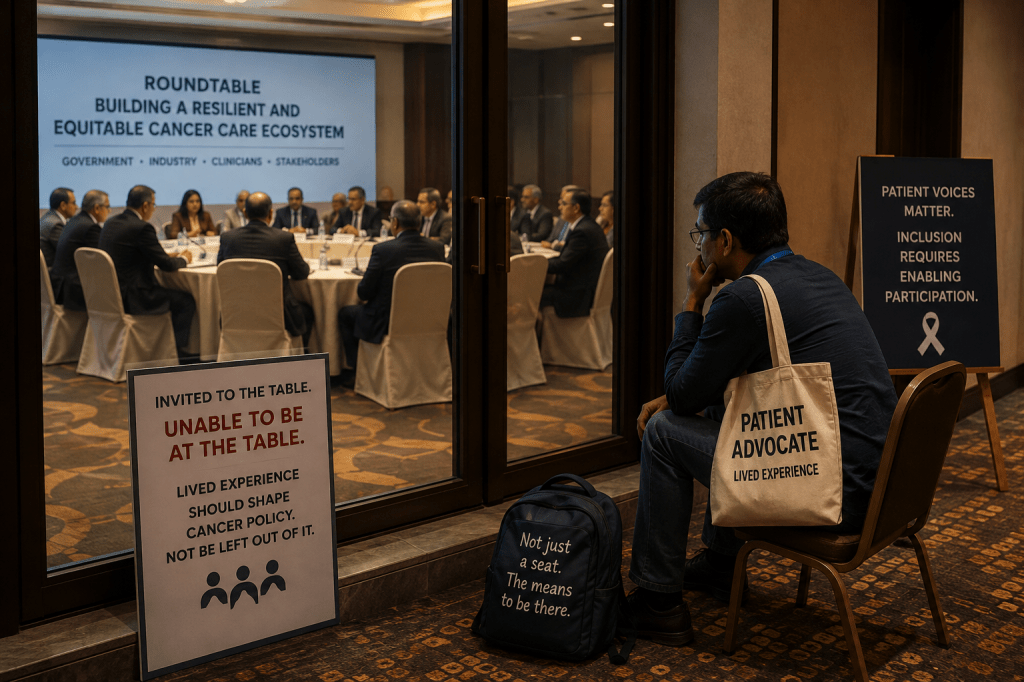
Invited to the Table, But Not Enabled to Be There

Patient advocacy should not mean unpaid, unsupported participation

There is another uncomfortable dimension to this conversation.

In many mature healthcare and research ecosystems globally, patient engagement is increasingly recognised as a professional contribution, not merely voluntary goodwill. Patient advocates participating in conferences, advisory boards, policy consultations, research initiatives and industry discussions may receive appropriate support for travel, accommodation and other participation-related expenses – and, where the nature of the engagement warrants it, honoraria for their time, expertise and contribution.

The principle is simple:

Lived experience has value.

A patient advocate is not simply a person who happens to have had cancer. They may bring years of experience navigating treatment, healthcare systems, clinical research, financial toxicity, quality-of-life issues and the realities faced by patients and caregivers.

That expertise deserves recognition.

In India, however, we still have a long way to go.

Patient voices are too often treated as an add-on, a symbolic presence or a formality rather than as an essential stakeholder voice. Patients may be invited to a panel, given a few minutes to speak or included in a photograph – but meaningful participation, representation and support are still far from being the norm.

And this creates a paradox.

We say we want patient-centric healthcare, but the patient is often the least empowered participant in the room.

We talk about equity, while the person representing lived experience may have to personally absorb the cost of travelling hundreds or thousands of kilometres to participate.

We talk about valuing patient voice, while expecting that voice to be provided entirely on a voluntary basis, even when other stakeholders are participating as professionals representing well-resourced institutions.

We need to ask ourselves honestly:

Are we inviting patients because we genuinely value what they bring – or because patient inclusion has become something we feel we are expected to demonstrate?

There is a difference between patient presence and patient participation.

And there is an even bigger difference between participation and meaningful influence.

India’s patient advocacy ecosystem is evolving rapidly, and there are certainly organisations, researchers, clinicians, policymakers and industry leaders who are doing this well. But these examples need to become the norm rather than the exception.

Patient advocates should not have to repeatedly justify why their travel needs to be supported.

They should not have to prove that their time has value.

And they should not have to choose between contributing to healthcare policy and personally bearing costs that other stakeholders would ordinarily not be expected to bear.

If we genuinely believe that nothing about patients should be decided without patients, then we must also create the practical conditions that allow patients to be present, heard and respected.

Patient inclusion cannot remain a showpiece. It has to become a standard.
Why Speaking Up for India and LMICs in Global Healthcare is Non-Negotiable

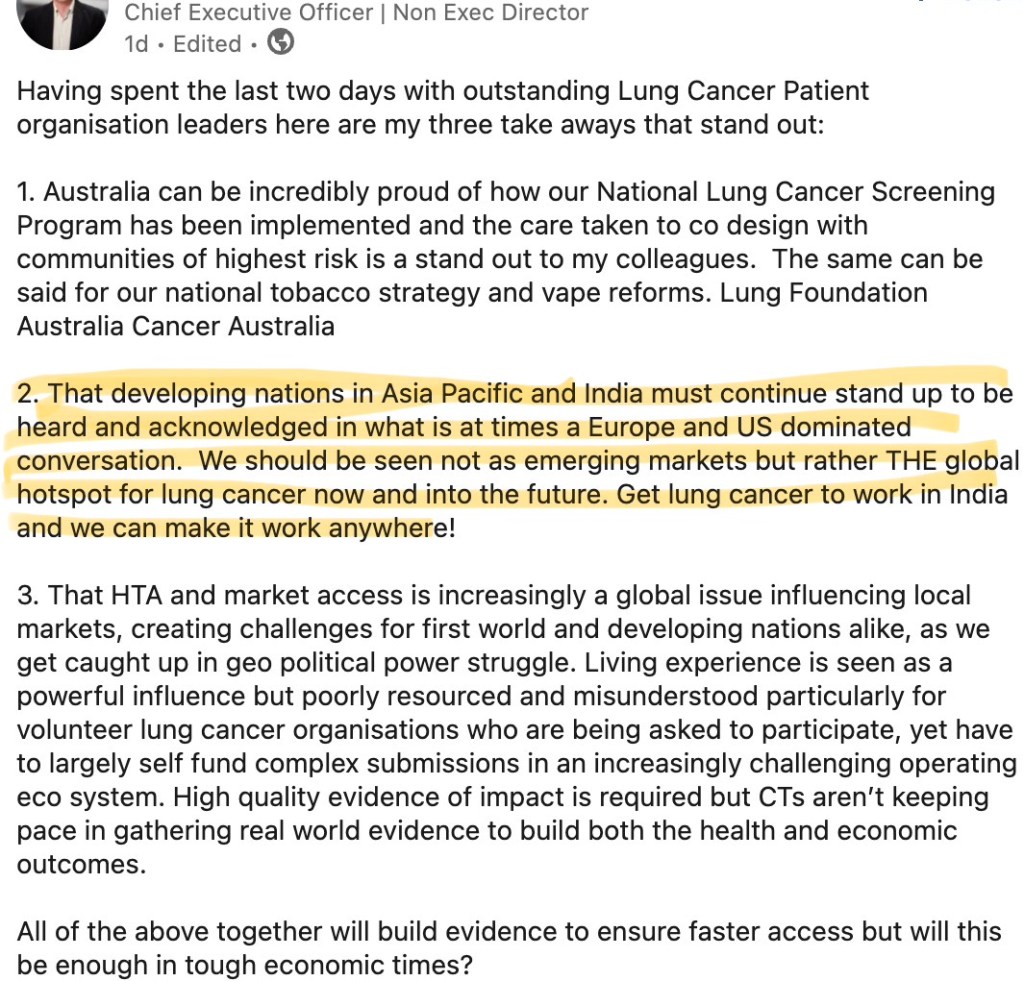
I recently had the privilege of representing India at a global advisory board meeting for lung cancer. These meetings are vital for shaping the future of oncology, yet a familiar pattern emerged: the discussion on “access” was almost entirely dominated by the landscapes of the US and the European Union.

While the challenges in those regions are real, “access” takes on a completely different meaning in India and other developing nations. In our context, it isn’t just about administrative hurdles; it’s about the fundamental availability of life-saving innovation for millions who are often left out of the global conversation.

The Power of the “Living Experience”

During the sessions, I made it a point to politely but firmly steer the conversation toward the missing voices of India and LMICs. It is easy for global boards to view these regions as “emerging markets,” but the reality is that we are the global hotspots for lung cancer. If we can solve the access puzzle in India, we can solve it anywhere.

I was heartened to see this message resonate. Shortly after the meeting, a senior colleague and representative from Australia shared his takeaways on LinkedIn, specifically highlighting that developing nations in Asia Pacific and India must continue to stand up to be heard.

Why Your Voice Matters

This experience reminded me of three critical truths for advocates:

  • Visibility is the first step to Access: If we aren’t at the table – or if we stay silent while at the table – the world will continue to design solutions that don’t fit our reality.
  • Data + Experience = Impact: Combining Health Technology Assessment (HTA) with the “living experience” of patients creates a narrative that even the most complex geopolitical or economic systems cannot overlook.
  • The Ripple Effect: When you speak up, you aren’t just influencing the person across from you. You are providing the language and the courage for other leaders to carry that message back to their own countries.

Moving Forward

Advocacy is often a long, uphill climb, but seeing the immediate impact of a single intervention at a global meeting is a powerful motivator. We must continue to demand that the global oncology conversation reflects the global reality.

Our voices are not just “participation” – they are the essential evidence required to build a more equitable healthcare future.

No One Should Fight Alone!

Vivek

Announcing the “Kusum Memorial Cancer Foundation”: A New Chapter in Patient Advocacy & Research

We are proud to announce the official launch of the Kusum Memorial Cancer Foundation – a registered public charitable trust in India dedicated to transforming the cancer care landscape for patients, caregivers, and communities across the country.

stablished in memory of our Kusum Malik Tomar – India’s longest survivor of Stage IV lung cancer of her time, participant of number of clinical trials & research medicines, a patient advocate and co-founder of ALK Positive India, whose courage and resilience continue to inspire our commitment to dignity, hope, and scientific progress for cancer patients and caregivers. This Foundation represents a powerful vision for equitable, compassionate, and research-led cancer care and stronger patient voices in healthcare and policy.

A Mission Rooted in Impact

The Kusum Memorial Cancer Foundation has been established with a clear focus:
to empower cancer patients – especially those affected by lung cancer – with access to the latest treatments, evidence-based information, strong community support, and meaningful engagement in clinical research and policy.

This trust serves as the legal and governance umbrella for initiatives that have long been part of our community’s work and ethos, including:

  • Rise To Survive Cancer – our flagship patient advocacy platform
  • ALK Positive India – India’s first oncogene-focused support group for ALK+ NSCLC patients, established in year 2017
  • The White Ribbon Project – India – a movement to break stigma and drive lung cancer awareness and action, established in year 2025

Vision & Core Focus

At its heart, the Foundation is committed to a future where every cancer patient – regardless of cancer type, genetic profile, or socioeconomic background – has equitable access to cutting-edge treatment, compassionate care, and empowering support systems.

For the Foundation, advocacy is not just a cause — it’s a commitment to elevating patient voices, strengthening clinical research awareness, and influencing policy for long-term systemic change.

Governance & Commitment to Ethics

The Kusum Memorial Cancer Foundation is registered in India as a non-profit, non-commercial charitable trust. All activities are carried out without profit motive, and benefits are open to everyone irrespective of caste, religion, gender, race, or socioeconomic status.

This governance foundation ensures that patient welfare, transparency, and ethical practice remain central to every initiative.

Together, we can ensure that no one has to face cancer alone.

Read more about the Foundation’s vision, details and initiatives:
🔗 Visit the Foundation page on Kusum Memorial Cancer Foundation

This time for Africa

In West Africa, a region of 16 countries has only one PET scan machine. Forget about treatment—the struggle begins with basic diagnostic tests. Meanwhile, in another part of the world, India’s capital region, Delhi NCR, has around 20 PET scan machines, and in the US and EU, dedicated PET scans exist solely for animals. This stark contrast underscores the urgent need for equitable healthcare access..

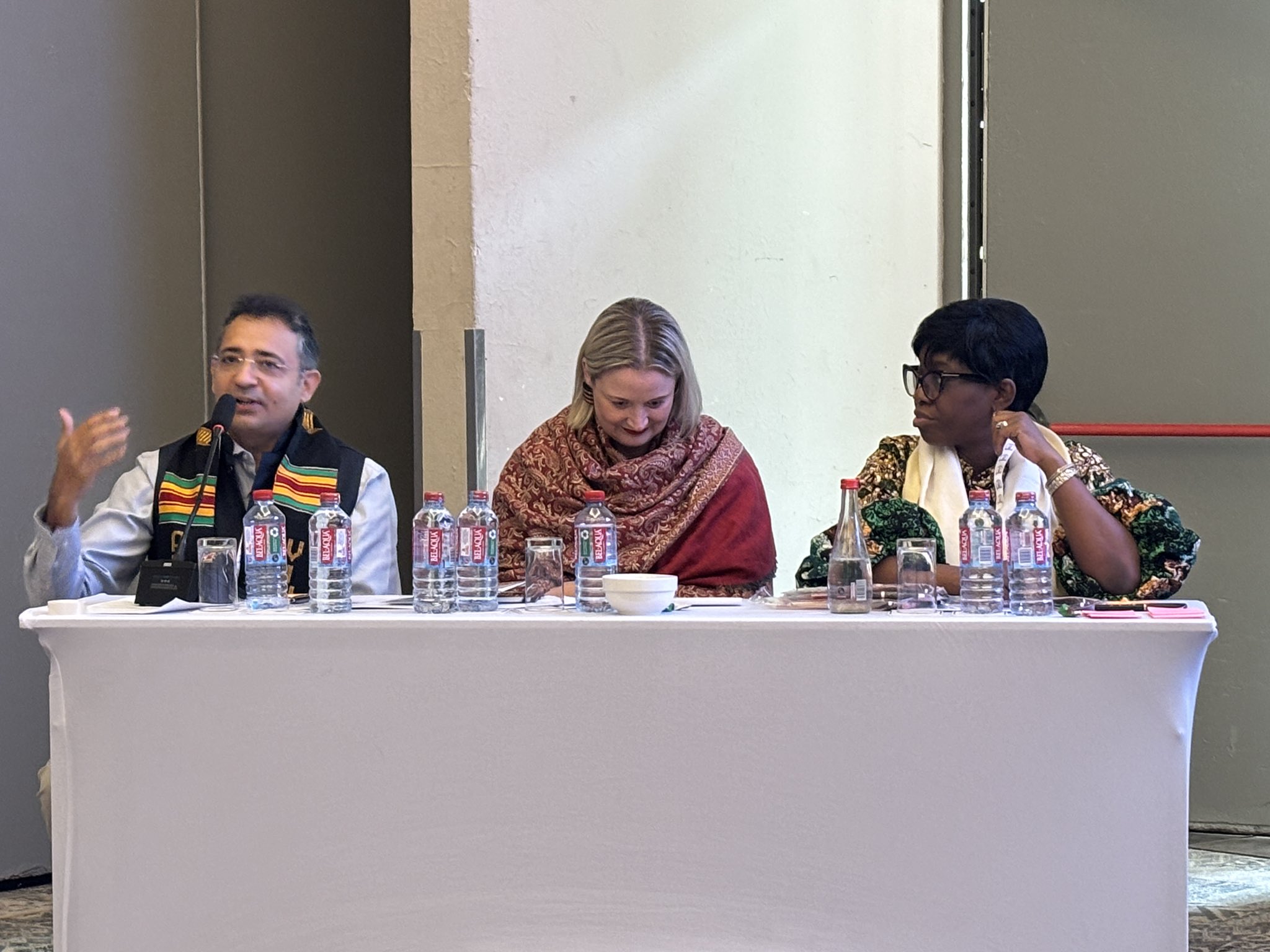
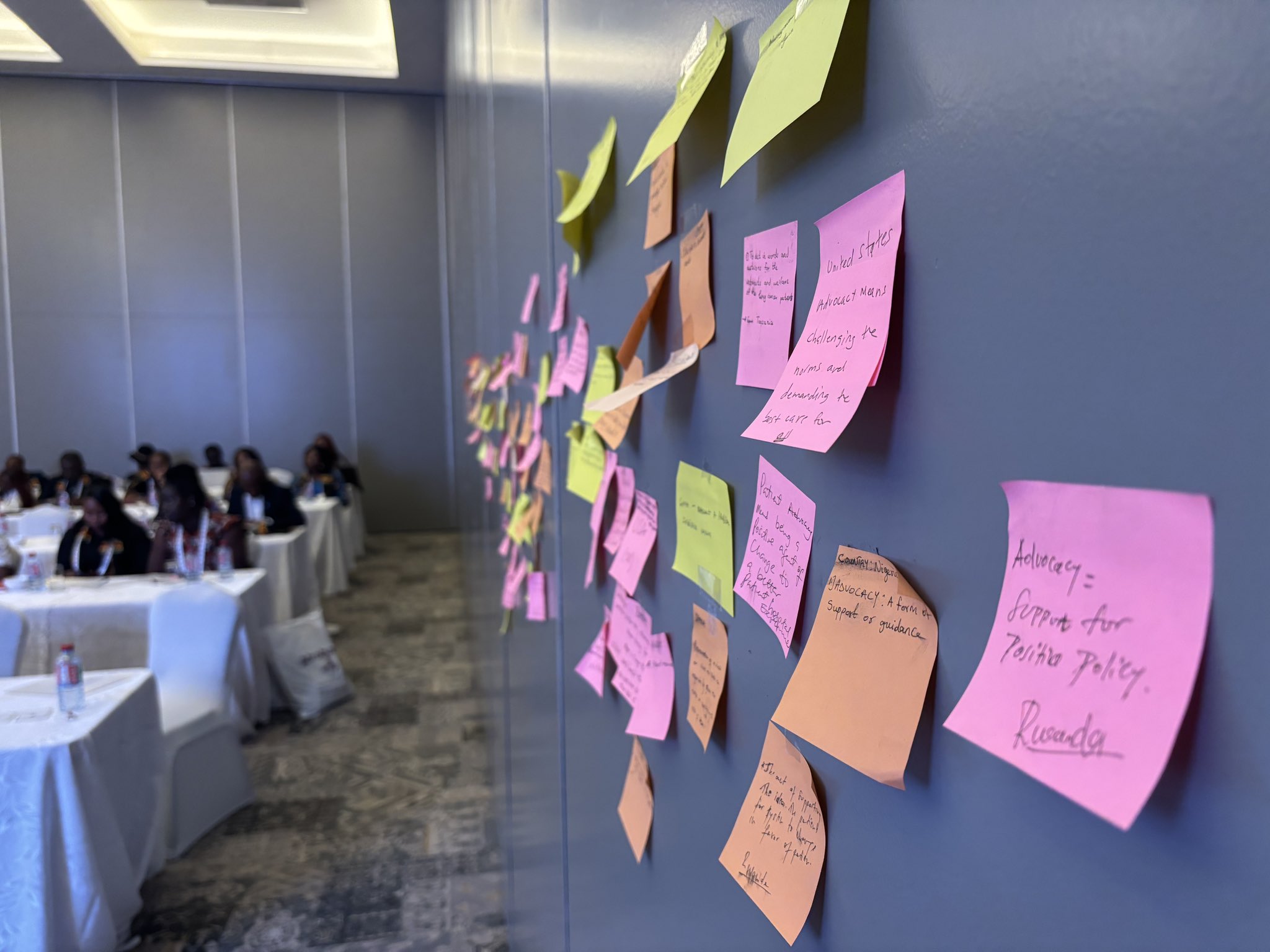
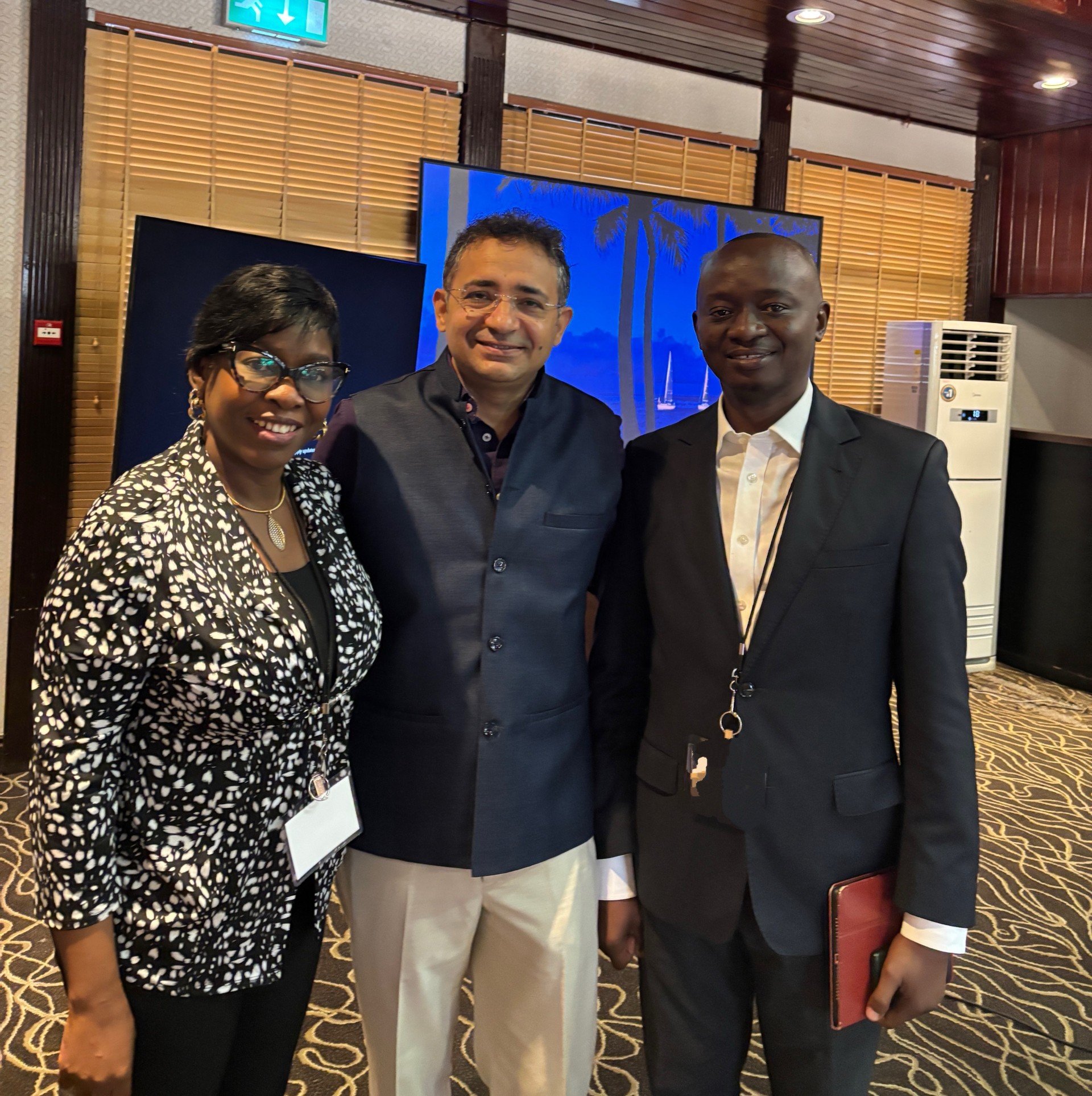
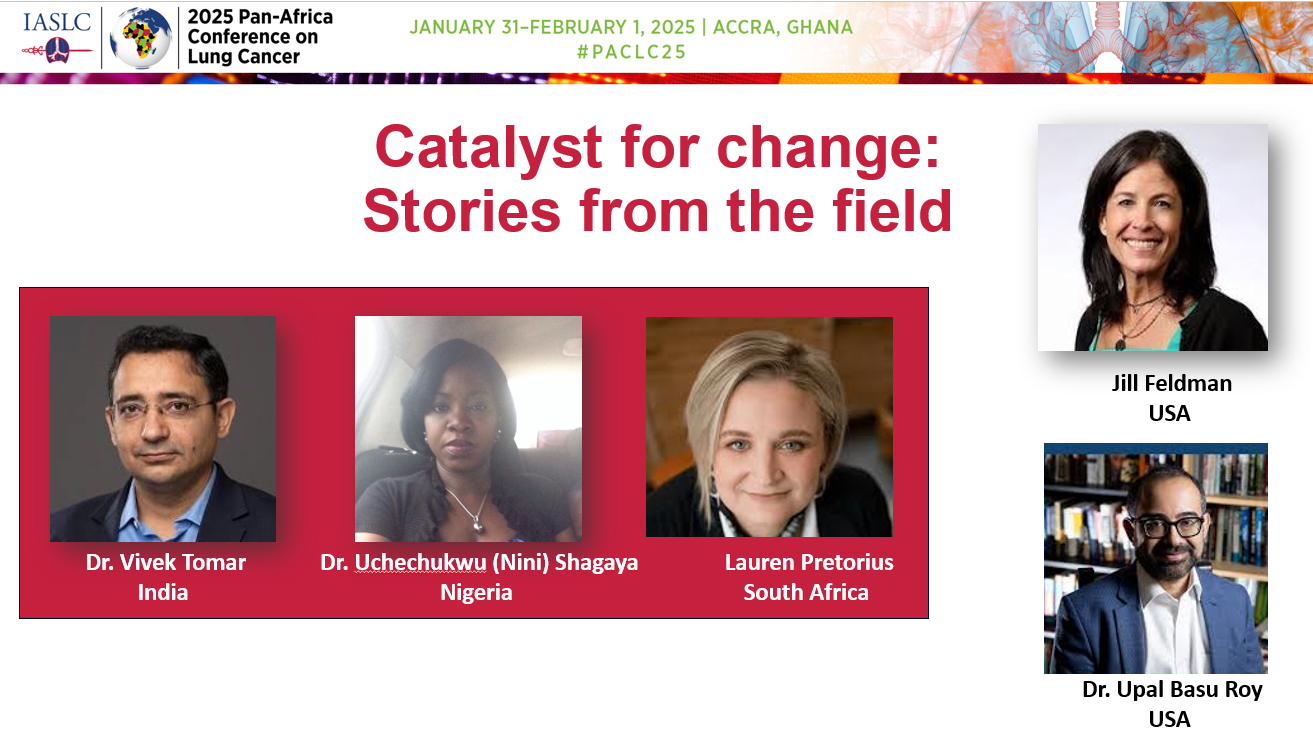
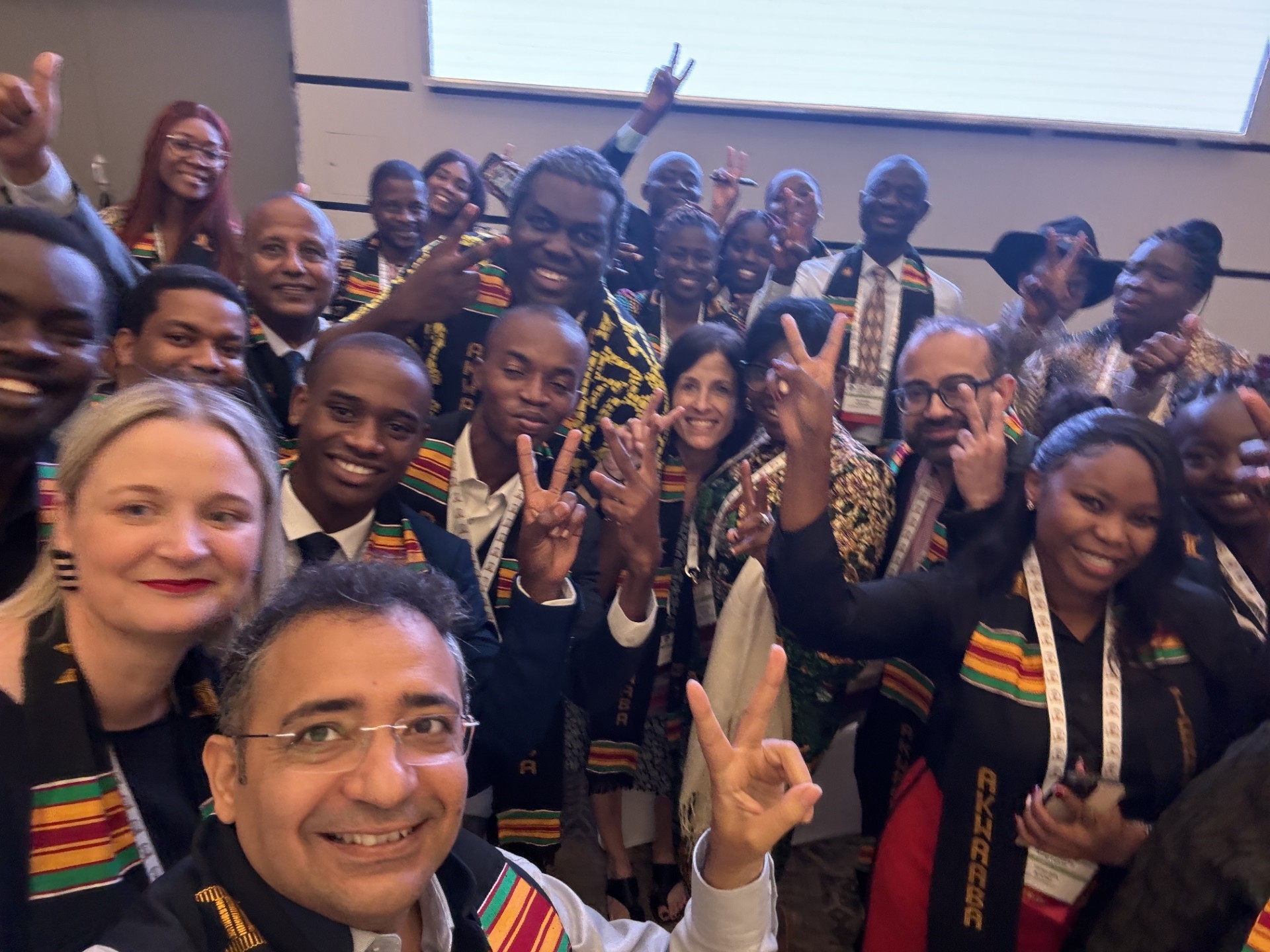
After doing workshop for Lung Cancer Patient Advocacy in Asia (HongKong), it was privilege to do Patient Advocacy workshop in Africa along with global patient advocacy leaders at first-ever IASLC PAN Africa Lung Cancer Conference in Ghana.

Though resources in Africa are limited, the passion and determination are immense.

Recognizing Champions of Change

Huge appreciation for:

  • Caleb (Nigeria’s first lung cancer patient advocate, a friend, a change maker, and the one whose brainchild this conference is)
  • Jill Feldman (Founder of EGFR Resisters, 16-year lung cancer survivor, one of the most passionate lung cancer patient advocacy leader, and a dear friend)
  • Dr. Upal Basu Roy (Executive Director at LUNGevity, the largest lung cancer NGO, a great human being, and a bhai to me)

Their leadership and dedication made this conference and workshop truly impactful.

Moments That Moved Me

After my talk, three moments made me realize: Good Deeds Go Far!

  • Dr. Nini (Oncologist, Nigeria): “Your advocacy helped not just Indian patients but also Africans accessing ALK lung cancer care.”
  • A Ugandan medical student: “I’ve followed your work for years—it inspired me to enter & better serve patients.”
  • An African patient advocate: “If he can do it in India, why can’t we in Africa?”

A Call to Action

I remain committed to improving healthcare—not just for Indian cancer patients but for all of LMICs & global healthcare. I urge every stakeholder to join this mission.

Let’s continue to #SparkAChange and take this movement forward. And until we achieve this, remember what my Kusum used to say – Losing Is Not An Option!

#EveryLifeMatters
#NoOneShouldFightAlone
#PatientAdvocacy

Vivek